Stable Micro Systems logo
Request a quote
  • Texture analysis
    • Texture Analysers
    • TA.XTplusC
    • TA.XTplus100C
    • TA.HDplusC
    • TA.XTExpressC
    • Compare Texture Analysers
    • Texture Analyser Buying Guide: 7 questions you need to ask
    • Software
    • Upgrades
    • Learn
    • Why measure texture?
    • How a Texture Analyser works
    • A beginner’s guide
    • What is food texture?
    • Texture Profile Analysis (TPA)
    • Texture analysis properties
    • Application areas
    • Speed up your testing
    • Case Studies
    • Attachments and accessories
    • Probes
    • Attachments
    • Acoustic Envelope Detector
    • Video Capture and Synchronisation System
    • Automated Linear Indexing System
    • Temperature Control
    • Dough Inflation System
    • Dynamic Integrated Balance
    • Penetrometer
    • IDDSI System
    • Egg Quality Testing System
    • Accessories
    • Custom design service
    • Test types
    • Puncture and penetration
    • Compression
    • Cutting and shearing
    • Extrusion
    • Bend and flexure
    • Tension
    • Adhesion
    • Other test types
    • Applications
    • Food
      • Alternative proteins
      • Bakery
      • Cereals
      • Confectionery
      • Dairy
      • Gels and films
      • Fish
      • Fruit and vegetables
      • Meat
      • Pasta and noodles
      • Snacks
      • Petfood and animal feed
      • Powder and granules
    • Future and novel foods
      • 3D printed foods
      • Cell cultured foods
      • Foods containing CBD
      • Foods containing insects
      • Upcycled food
      • Vertically farmed foods
    • Reformulated foods
      • Free-from foods
      • Fortified foods
      • Low-in foods
      • Foods for dysphagia (IDDSI)
    • Materials and products
      • Adhesives
      • Electronics
      • Packaging
      • Gels and films
      • Innovative materials
      • Leather and textiles
      • Paper and cardboard
      • Polymers
      • Powder and granules
    • Pharmaceutical and medical
      • Dental
      • Medical devices
      • Pharmaceutical and medical
      • Pharmaceutical packaging
    • Cosmetics and personal care
      • Cosmetics and skincare
      • Personal care products
      • Hair and haircare products
    • Powders and granules
    • View all
  • Materials testing
    • Materials Testers
    • TA.HDplusC
    • TA.XTplus100C
    • Compare Materials Testers
    • Upgrades
    • Learn
    • What is materials testing?
    • Force testing
    • Materials testing properties
    • Application areas
    • Software
    • Case Studies
    • Attachments and accessories
    • Probes
    • Attachments
    • Acoustic Envelope Detector
    • Video Capture and Synchronisation System
    • Automated Linear Indexing System
    • Temperature Control
    • Dynamic Integrated Balance
    • Penetrometer
    • Resistance Conversion Unit
    • Accessories
    • Custom design service
    • Test types
    • Puncture and penetration
    • Compression
    • Cutting and shearing
    • Extrusion
    • Bend and flexure
    • Tension
    • Adhesion
    • Other test types
    • Applications
    • Materials and products
      • Adhesives
      • Electronics
      • Packaging
      • Gels and films
      • Innovative materials
      • Leather and textiles
      • Paper and cardboard
      • Polymers
      • Powder and granules
    • Pharmaceutical and medical
      • Dental
      • Medical devices
      • Pharmaceutical and medical
      • Pharmaceutical packaging
    • Cosmetics and personal care
      • Cosmetics and skincare
      • Personal care products
      • Hair and hair products
    • View all
  • Volume and density
    • Volscan Profiler
    • Volscan Profiler instrument
    • How the Volscan Profiler works
    • Measuring volume and density
    • Software
    • Technical specification
    • Accessories
    • Case Studies
    • Applications
    • Bakery
    • Eggs
    • Other foods
    • Materials
    • Hair
    • Ceramscan
    • Ceramscan instrument
    • How the Ceramscan works
    • Measuring ceramic density
    • Ceramic and advanced material tests
    • Software
    • Technical specification
    • Ceramscan Validation
  • Powder flow
    • Products
    • Powder Flow Analyser
    • TA.XTplusC Texture Analyser
    • Learn
    • How a PFA Works
    • Why measure powder flow?
    • Other powder related tests
    • Software
    • Technical specification
    • Industry examples
    • Case studies
  • Applications
    • Food
    • Alternative proteins
    • Bakery
    • Cereals
    • Confectionery
    • Dairy
    • Gels and films
    • Fish
    • Fruit and vegetables
    • Meat
    • Pasta and noodles
    • Snacks
    • Petfood and animal feed
    • Powder and granules
    • Future and novel foods
    • 3D printed foods
    • Cell cultured foods
    • Foods containing CBD
    • Foods containing insects
    • Upcycled food
    • Vertically farmed foods
    • Reformulated foods
    • Free-from foods
    • Fortified foods
    • Low-in foods
    • Foods for dysphagia (IDDSI)
    • Materials and products
    • Adhesives
    • Electronics
    • Packaging
    • Gels and films
    • Innovative materials
    • Leather and textiles
    • Paper and cardboard
    • Polymers
    • Powder and granules
    • Pharmaceutical and medical
    • Dental
    • Medical devices
    • Pharmaceutical and medical
    • Pharmaceutical packaging
    • Cosmetics and personal care
    • Cosmetics and skincare
    • Personal care products
    • Hair and haircare products
  • Discover
    • Resources
    • Blog
    • Request a brochure
    • Request an article
    • Published references
    • Recommended literature
    • YouTube channel
    • Subscribe to our newsletter
    • FAQs
    • Case studies
    • Food
    • Materials
    • Pharmaceutical and medical
    • Cosmetics, skincare and haircare
    • Volume and density
    • Powder flow
    • About us
    • Company profile
    • Why we are world leaders
    • Careers
    • News
  • Support
    • General
    • Software updates
    • Register a product
    • FAQs
    • Correct use of TPA
    • Glossary
    • User support
    • Technical support form
    • Test advice service
    • Macro writing service
    • Get a new manual
    • Education Zone
    • Tips for Exponent Connect users
    • Training courses
    • Contact your local distributor
    • Product maintenance
    • Calibration
    • Upgrade your instrument
    • UK maintenance plan
    • Latest news
    • Products
    • Research
    • Patents
    • Texture
    • Subscribe to our newsletter
  • Contact
    • Contact details
    • Find a distributor
    • Request a demonstration
    • Request a quote
    • Events and seminars
Request a quote

What is food texture?

Learn the basics of food texture and why it matters.

So, what is food texture? Food textural properties and mouthfeel – the vocabulary of texture Why texture is so important in food From formulation to claims: designing and protecting texture How is food texture measured? Bringing it all together
Spoon penetrating edible jelly

When we talk about food quality, we often think first of flavour and aroma. But texture – the way a food feels when we bite, chew and swallow it – is just as important, and often the reason we accept or reject a product. 

This page explains what food texture is, how we perceive it and why it has become a major focus for food and beverage innovation.

So, what is food texture?

Food texture refers to the sensory qualities of a food that we perceive through touch and movement, primarily in the mouth but also with the fingers. 

Everyday examples include:

  • The crispness of a potato chip from a freshly opened bag
  • The crunch of a just-picked apple or fresh celery
  • The springiness of newly baked bread
  • The chewiness of a piece of liquorice or gummy confectionery
  • The spreadability of soft cheeses or spreads
  • The firmness of jam or gelled desserts 

Texture is also an index of quality. A crisp apple that becomes leathery, bread that turns stale or limp salad leaves all signal a loss of freshness and acceptability.

Food textural properties and mouthfeel – the vocabulary of texture

The term mouthfeel is often used to describe the overall textural experience of a food in the mouth. During chewing, we subconsciously evaluate a sequence of characteristics:

  • First bite (hard, soft, brittle, crunchy)
  • Breakdown (how it crumbles, melts, toughens or becomes pasty)
  • Residual feel (coating, astringency, stickiness, viscosity) 

Researchers and sensory scientists use a broad vocabulary to describe these sensations, including terms such as:

  • Crisp, crunchy, crackly
  • Firm, hard, tough, chewy, rubbery
  • Smooth, creamy, velvety, grainy
  • Sticky, tacky, gummy, stringy
  • Thick, thin, runny, viscous

Subtle changes in formulation e.g. reducing sugar or fat, or replacing ingredients such as gluten, can significantly alter texture and mouthfeel, even when flavour is unchanged.

Why texture is so important in food

Texture is one of the main criteria consumers use to judge quality, freshness and indulgence. 

  • We expect pickles and crisps to be crisp and crunchy.
  • We expect yoghurts and desserts to be smooth and creamy, not grainy.
  • We expect bread to be soft inside but not gummy; crusts to have a pleasant bite, not be hard as rock.

Food manufacturers have recognised that texture can be a powerful point of difference. Many products now carry explicit textural claims such as:

  • “Extra crunchy”, “super crispy”
  • “Soft and fluffy”, “rich and creamy”
  • “Chewy centre”, “smooth and spreadable” 
Cronut cut in half to reveal chocolate filling
Person eating a crisp
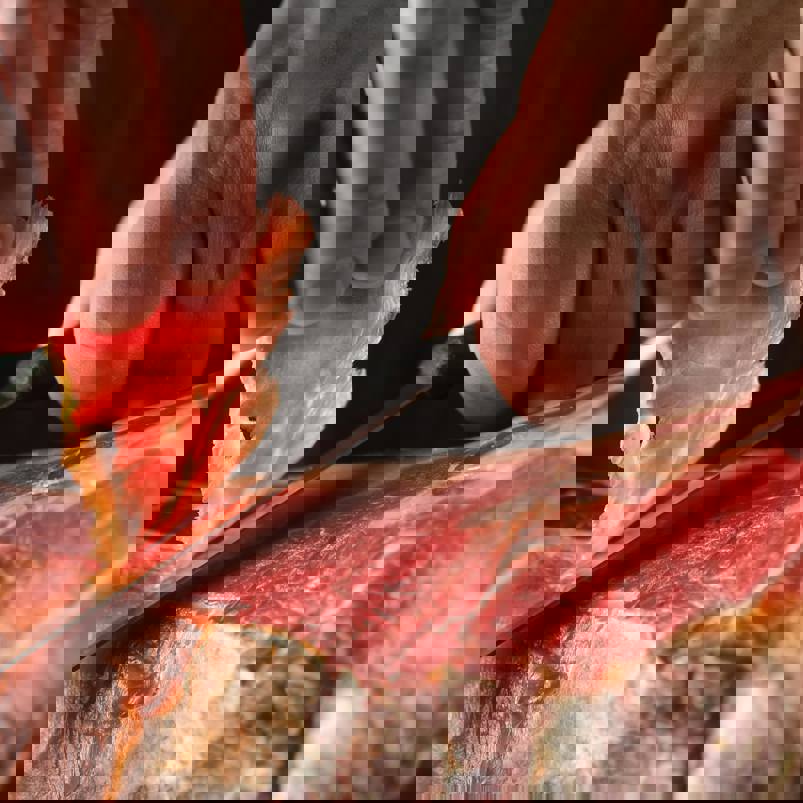
Person slicing jamon from the bone
Cronut cut in half to reveal chocolate filling
Person eating a crisp
Person slicing jamon from the bone

Texture is also becoming more complex:

  • Products with multiple textures in one bite (crunchy inclusions in smooth matrices, layered textures).
  • Novel shapes and structures designed specifically to deliver new mouthfeel experiences. 

Once a product is launched, maintaining the intended texture consistently is critical for consumer loyalty.

From formulation to claims: designing and protecting texture

Texture and food structure have become “big business”. Leading brands:

  • Design recipes and processes specifically to hit target textural profiles.
  • Use texture as a key message in advertising and on pack.
  • Substantiate claims such as “10% more spreadable”, “20% crispier” or “less sticky” with data. 

Changes in:

  • Ingredients (e.g. sugar, fat, emulsifiers, proteins, stabilisers)
  • Process (mixing, cooking, cooling, freezing, drying, extrusion)
  • Storage and distribution (temperature, humidity, time)

can all affect texture and must be considered in development and scale-up.

How is food texture measured?
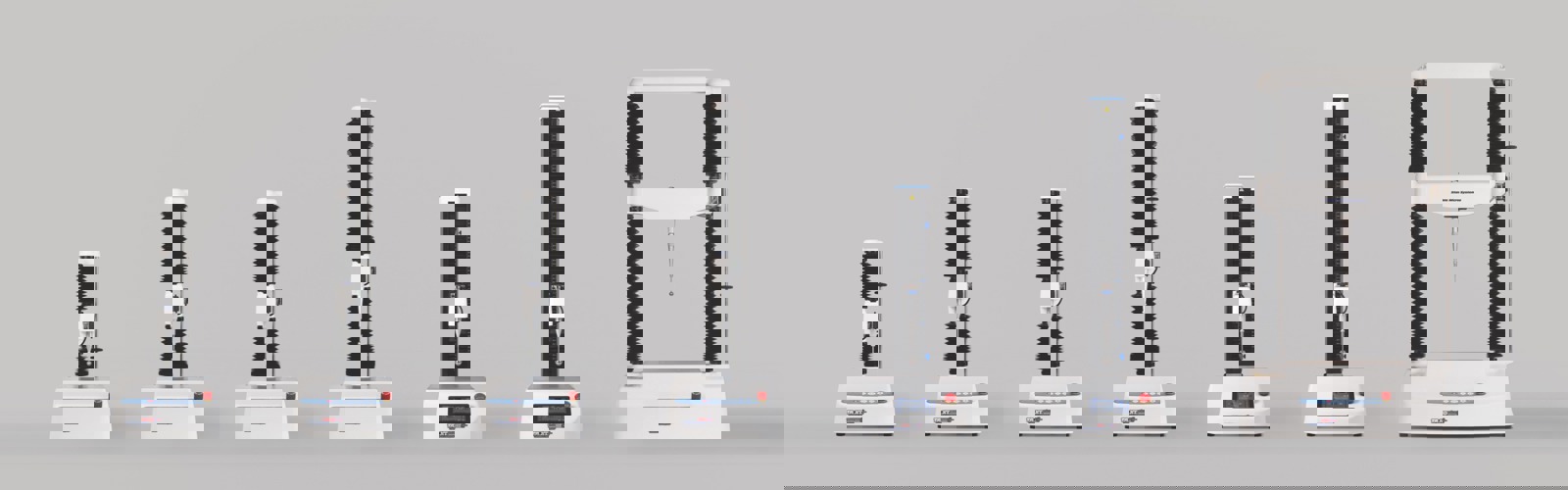
Stable Micro Systems' range of Texture Analysers

Consumers judge texture with their senses, but manufacturers need reliable, repeatable data to design and control it. That’s where instrumental texture analysis comes in.

Texture analysis involves using a Texture Analyser to apply controlled forces to a food sample – such as cutting, shearing, compressing, stretching or bending – and measuring how it responds. 

These tests:

  • Optimise product quality and consumer satisfaction.
  • Support claims and product positioning.
  • Provide rapid, objective measurements for quality control.

Find out more about how a Texture Analyser works and what a Texture Analyser measures

For a review of the textural properties we are measuring most commonly, visit our Texture Properties page.

Bringing it all together

Texture, alongside flavour and aroma, is a core part of how people experience food. It signals freshness and quality, drives preference and loyalty, and can be a powerful differentiator in the market.

Measuring and understanding food texture allows you to:

  • Design products that deliver the desired eating experience.
  • Protect that experience through processing, storage and distribution.
  • Communicate authentic, defensible textural claims to consumers.
What is meant by food texture?

Food texture is the way a food feels when you bite, chew and swallow it, and when you handle it with your fingers or utensils. It includes qualities such as crispness, crunchiness, firmness, chewiness, smoothness and creaminess. Together with flavour and aroma, texture is a key part of the overall eating experience.

How is food texture different from flavour?

Flavour is mainly about taste and aroma, while texture relates to the physical feel of the product - how it resists biting, breaks down and coats the mouth. Two products can have a very similar flavour but very different textures, which is why texture can make the difference between a product being accepted or rejected.

What is mouthfeel?

Mouthfeel is the sensory impression of a food’s texture inside the mouth over time. It includes the first bite (for example crisp, brittle or soft), how the food breaks down during chewing, and any coatings, stickiness or astringency left after swallowing. Mouthfeel is how consumers experience textural properties in real life.

Why is food texture so important to consumers?

Consumers use texture as a quick indicator of quality and freshness. A crisp apple that turns leathery, bread that goes stale or a yoghurt that feels grainy instead of smooth is often rejected, even if the flavour is acceptable. Texture also drives indulgence, e.g. “extra crunchy”, “soft and fluffy” or “rich and creamy” products.

How do food companies measure food texture?

Manufacturers combine human sensory panels with instrumental texture analysis. A Texture Analyser mechanically compresses, cuts or stretches a sample and measures the forces involved. This provides objective, repeatable numbers for properties such as hardness, crispness, chewiness and spreadability that can be controlled during production.

Can you change texture without changing flavour?

Yes. Small changes in ingredients, processing conditions or structure can dramatically alter texture while flavour remains similar. For example, modifying fat, protein, sugar or stabiliser levels, or changing proofing, baking or cooling conditions, can make products softer, firmer, crispier or creamier. Texture analysis helps you understand and manage these changes.

Go deeper on our blog

The anatomy of a bite: A guide to your mouth's experience with texture
Textural issues between native and formulated foods
Exploring food texture properties and their definitions
Food texture perception and circadian rhythms: Implications for product development
See all blog posts about food texture

On this page

  • So, what is food texture?
  • Food textural properties and mouthfeel – the vocabulary of texture
  • Why texture is so important in food
  • From formulation to claims: designing and protecting texture
  • How is food texture measured?
  • Bringing it all together

MORE INFORMATION

Watch our video about texture measurement

Watch our video about texture measurement

Request articles about texture analysis

Request articles about texture analysis

Explore the application possibilities of a Texture Analyser

Explore the application possibilities of a Texture Analyser

Learn more about texture analysis

Read our blog posts about texture analysis
View published references citing the Texture Analyser
Read a beginner's guide to texture analysis
Home
  • Contact
  • Send us an enquiry
  • Request a quote
  • Request a demonstration
  • Find a distributor
Head office

+44 (0) 1483 427345
Vienna Court, Lammas Road
Godalming, Surrey, GU7 1YL
United Kingdom

Subscribe to our newsletter
  • LinkedIn
  • YouTube
  • X (formerly Twitter)
  • Facebook
Copyright © 2025 Stable Micro Systems. All rights reserved. Privacy and cookie policy Sitemap